Why Bond ETFs Move Even When the Fed Holds Rates
A Fed pause does not freeze bond ETF prices. Separate duration, income, credit exposure, and your spending deadline before treating a fund as defensive.


A Fed pause does not freeze bond ETF prices. Separate duration, income, credit exposure, and your spending deadline before treating a fund as defensive.

Separate allocation drift from a fund-role problem. Compare contributions, trades, costs, and a worked example before changing your ETF portfolio.

Choose portfolio roles before tickers: distinguish stock risk, bond exposure, and available cash, then test whether the mix supports your goals.

A first ETF purchase needs more than a Buy button. Connect fund selection with bid-ask quotes, order types, and a clear execution check.

Total market or S&P 500? Compare VTI and VOO by their investment universe, shared exposure, and the role you will manage after purchase.
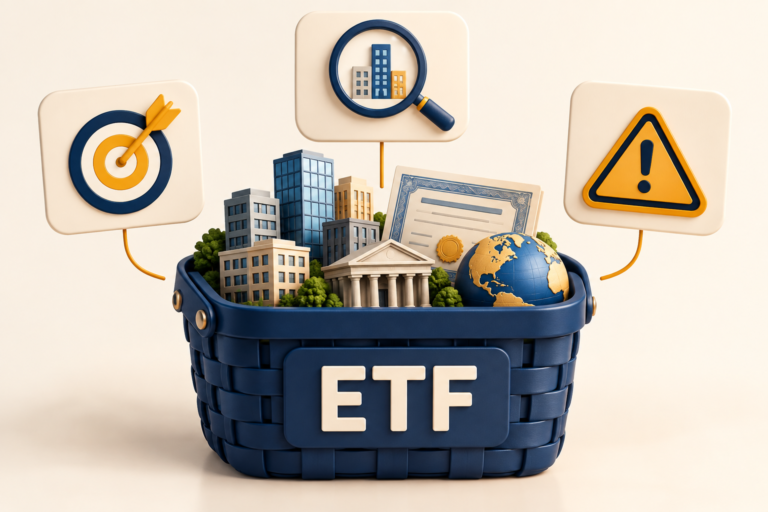
An ETF is a container, not a guarantee. Learn how its holdings, strategy, costs, and trading structure fit into a long-term investment plan.
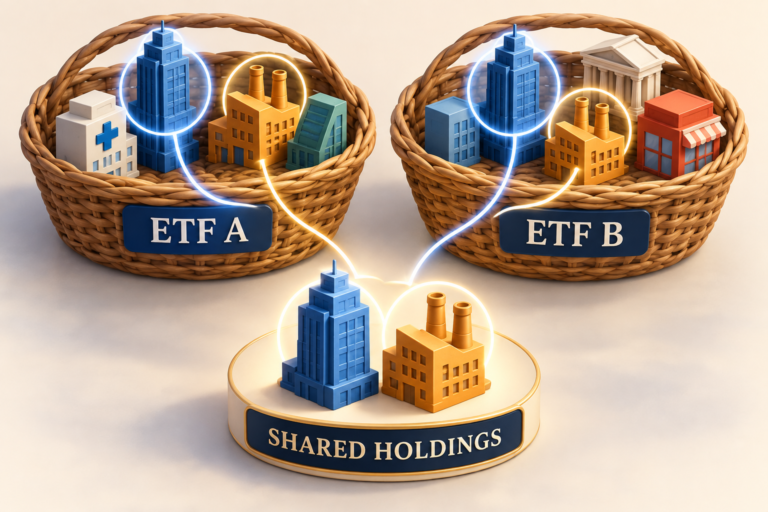
Before adding another ETF, look through the holdings and portfolio weights. A worked example shows why more funds can leave you with more of the same risk.
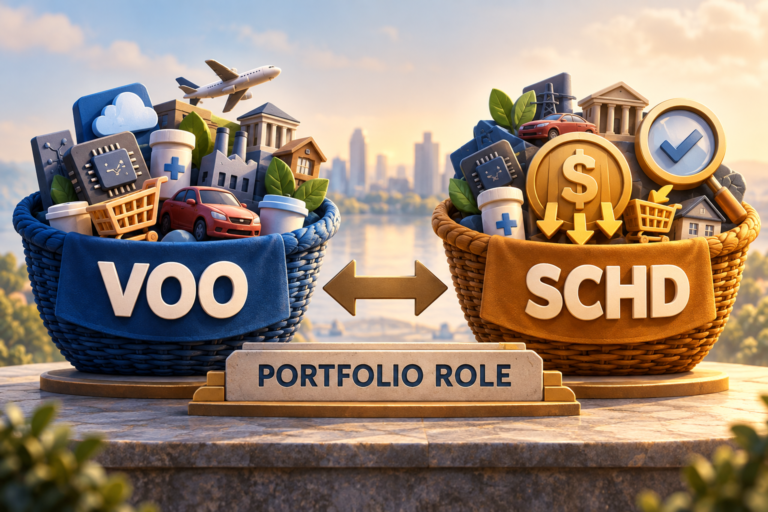
VOO and SCHD are not simply growth versus income. Compare their selection rules, sector exposure, costs, and the job each would do in your portfolio.

Growth and dividend ETFs need different review questions—not automatic trading rules. A practical framework for adding, rebalancing, replacing, and selling.
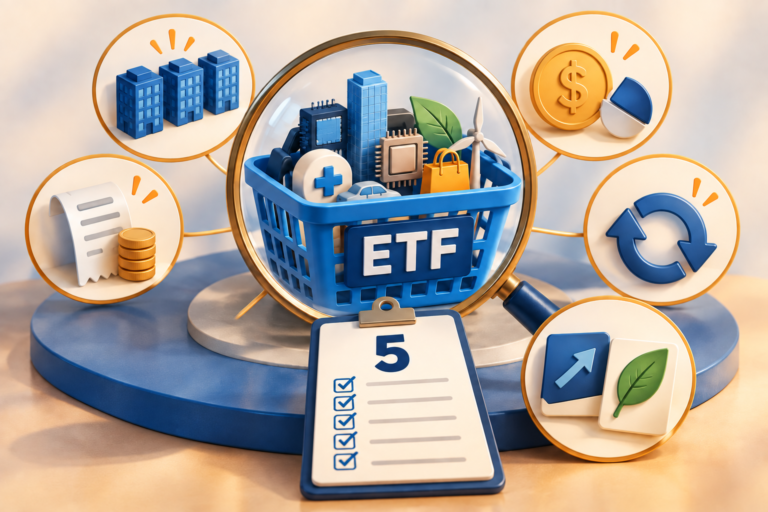
More funds, bigger payouts, and a longer holding period do not automatically make a better portfolio. Revisit five ETF investing myths—and the questions that matter.